2021 March Gardening Update Zone 6A

Advertisements

Starting my garden is always something I get super excited for and plan for months. If you would like to see my last post about what I planned to do in the garden this year, you can check it out here. I have only made a few alterations at this point, so that post is still mostly accurate. I’ve also gone through and made a calendar of when to start seeds, when to plant things outside, and when to pull plants for the next crop to come in. I live in zone 6A, so March is about as early as I can start planting.

Advertisements

I guess the first thing I’ll do is go through my timeline a bit. The first thing I did this year was start growing a sweet potato. I bought an organic sweet potato at the store about three weeks ago, covered it half way with water and now have is half submerged on the top of a mason jar. Within about 10 days, roots began to grow, and now at about 20 days, I’m beginning to get my first sprout off the top. I would like to get at least 6 slips, but I’d be even happier with 9 to 10. Sweet potatoes get planted after all my chance of frost is gone, so I still have until early June for more growth.

Next, I started some broccoli seeds. I kept them moist, and within 2 days, most of my seeds had sprouted. I started my broccoli seeds about 2 weeks ago, and they should be ready to transplant out the first weekend of April. These seedlings are now about 1 inch tall and are starting to form their fist set of true leaves.

This weekend was very busy. Friday we bought four 2″ by 10″ by 8′ to make another raised bed. With that we bought six 2″ by 2″ by 8′ boards to make two trellis, six bags of Black Kow Manure, and one 3 cubic foot bag of peat moss. Saturday morning we assembled the raised bed, and went to get 7 full wheelbarrow loads of dirt. We filled the bed half way with dirt before we dug a trench to bury hay down the length of the bed. We then covered the hay, added a bit more dirt, then added half the manure and peat moss and mixed the top layer all together leaving the hay untouched.

The hay we pulled from the covering the garlic and is used as a way to help regulate moisture in the bed and hopefully help keep it from drying out too much. Once the bed was filled and mixed, we added the remaining manure and peat moss to the remaining dirt. We also had some chicken waste and bedding, so we mixed it all together in the bed of a truck before filling the wheelbarrow and then filling the fabric pots. That was the last thing we did in the garden on Saturday.

Advertisements

Sunday, I planted some daffodils in the garden along the garage, and I added some mulch to the tulips I planted near my old raised beds. I’m glad to see they were coming up. I planted a horseradish crown in the fabric pot by itself, and I checked my garlic. I was very very happy to see that all my garlic did come up and that two cloves even split so I should be getting about 37 cloves of garlic this summer! After that, I checked my potatoes, and I planted 4 rows of peas. I then made two trellis out of 2″ by 2″ boards and attached them to the bed between each set of pea plants.

What’s left for March? Still lots! Today I will be going out to add some spinach in between the peas and soon to be broccoli. Next weekend, I should get to plant my potatoes. I have 13 potatoes that should be good enough to plant, so I will be planting them between 3 fabric pots. At that time, I will also be able to start my peppers and tomato plants. I also only have about a week to figure out how I’m going to make the trellis roping. I’m going to be looking for some 100% cotton string/yarn, then I need to decide between nails, brad nails, screws, staples, etc. for attaching the string.

Advertisements

Overall my plans haven’t changed too much. We decided to place the new bed to be towards the front of the peach tree, and we decided on only one bed instead of two. The larger beds are a bit harder to work around, but I also didn’t want to have to play with spacing two beds and limiting lumber use is also important to me. Also, we decided to do only one fabric pot of sweet potatoes and three for normal potatoes. I wasn’t expecting so many potatoes to be good to plant, but we eat them enough that we found it justified to plant as many potatoes as we have. We’ll also try planting some sweet potatoes in the ground and see how that goes. Finally, I also managed to get my hands on a good large chunk of horseradish root I found on Etsy from Daylilynursery.

For those wondering, that means I now have three types of garlic: Chesnok Red-Purple Stripe, Amish Rocamble, and Inchelium Red (softneck). I started eighteen Waltham 29 broccoli seeds. I planted a bareroot horseradish root. I planted thirty-four Golden Sweet Pea seeds. And today, I’ll be planting 1-2 rows of American spinach.

Advertisements

Pan-Fried Meatballs and Spaghetti

Advertisements

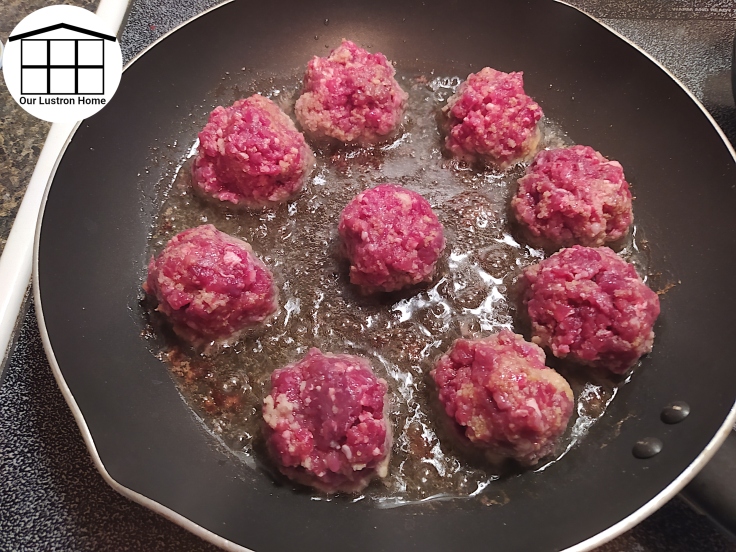
Spaghetti and meatballs is such a classic and easy meal, but sometimes we just don’t have the time to wait the 50 minutes it would take to bake them in the oven. So, why not make your meatballs like you would make a burger? Cook it in a frying pan with some oil for 4 minutes a side, and bam! You’ve got yourself and your family a delicious and easy topping for your spaghetti. Most spaghetti takes 6-10 minutes to cook, which give you plenty of time to make these meat balls. I liked the recipe that I used below, but feel free to use your own meatball recipe with this pan-frying method. This dinner was made with just under 1 lb of meat, so by following the directions, you should get about 11-12 meatballs. The recipe below made 4-5 adult sized portions.

Advertisements

What You Will Need

  • 1 lb Ground Beef/Venison
  • 1 Egg
  • 1/4 Cup Panko Breadcrumbs
  • 1 Tbsp Italian Seasoning
  • 1 Tbsp A1
  • 5 Tbsp Oil
  • 12 Oz Spaghetti
  • 1 Jar Pasta Sauce
  • Medium Mixing Bowl
  • Large Frying Pan
  • 2 Medium to Large Sauce Pans
  • A Colander

Directions

1. In the mixing bowl, add meat, egg, breadcrumbs, Italian seasoning, and A1. Mix by hand until combined. Roll out about 3 Tbsp into a ball and add to the frying pan. Once done, add the oil to the frying pan and place over medium heat. Cook meatballs 4 minutes on each side.

2. Cook Pasta as directed, then strain. Add sauce to second saucepan and place over medium heat until beginning to simmer. Add the meatballs once they are done and coat in sauce. Plate noodles, then top with sauce, meatballs, and grated Parmesan.

Advertisements

Thick Crust Pizza

Advertisements

If you like pizza with thick crust, nothing gets thicker than this pizza! This pizza is almost just bread with toppings! However, this pizza crust absorbs the savory liquid from the sauce and paired with the salty cheese on top, this is one of the tastiest pizzas I’ve ever had. I used a 12 inch diameter deep dish pizza pan, and the dough before topping was about an inch and a half thick. The par-bake is important to ensure that the crust is cooked completely before serving. You can use store bought pizza sauce with this pizza, but you’ll want it to be a thinner sauce and savory rather than sweet. This pizza made 6 large servings.

Advertisements

What You Will Need

  • 6 Cups Flour
  • 2 Cups Warm Water (110 F)
  • 4 tsp Active Dried Yeast
  • 3 Tbsp Oil
  • Homemade Sauce
  • 2 Cups Shredded Mozzarella
  • 1/2 Onion, Finely Sliced
  • 1/2 Bell Pepper, Sliced
  • Dutch Oven
  • Large Mixing Bowl
  • Deep Dish Pizza Pan

Directions

  1. In a large mixing bowl, mix together flour, water, yeast, and oil. Add additional flour until the dough doesn’t stick to your finger. Form the dough into a ball, coat lightly with oil, and place somewhere warm to rise for 45 minutes to an hour and a half, or until doubled in size.

2. Heat oven to 350 F. Punch down the dough and transfer to the pizza pan. Work to hide any crack, then stretch evenly to edges of the pan. Let rise for 30 minutes, then stretch again leaving a crust up the sides. Bake for 15 minutes then remove. Top the par-baked crust with pizza sauce, cheese, and toppings. Return to the oven and bake for 20-25 minutes or until toppings begin to brown. Let cool 10 minutes before cutting.

Advertisements

Homemade Pasta and Pizza Sauce

Advertisements

This homemade pizza/pasta sauce is a great way to use up any veggies you may have while also making a hearty and delicious sauce. Below is how I made my sauce, but substitute in what you have! Add some blended beans or spinach, or just stick with meat, tomatoes, and season with salt and soy sauce. I used 1 quart of diced tomatoes, and one can of fire roasted tomatoes to add extra flavor. The mushrooms add extra savory elements to the dish, and if you want to have some diced in the sauce it adds great pockets of flavor. I ended up boiling my sauce for 1 hour to thicken it a bit, but it could still be considered too thin to your taste. The recipe below makes about enough sauce for 5-6 pizzas, or enough sauce for 8-10 servings of pasta.

Advertisements

What You Will Need

  • 1 lb Sausage
  • 2 Carrots, Finely Shredded
  • 2 Celery Stalks, Finely Shredded
  • 12 Oz Mushrooms
  • 1 Cup Water
  • 1/2 Onion, Finely Diced
  • 1/2 Bell Pepper, Finely Diced
  • 6 Cups Diced Tomatoes
  • 2 tsp Salt
  • 1 Tbsp Soy Sauce
  • 1 Clove Garlic, Minced
  • Blender and Grater
  • Dutch Oven

Directions

1. Add sausage to a dutch oven over medium heat. Prepare the veggies, and add mushrooms and water to blender and blend. Once sausage is browned, add the onion and pepper and cook until onion is translucent. Add the carrot, celery, and mushrooms and cook until hot. Add tomatoes, salt, soy sauce, and garlic, and simmer over medium heat until sauce begins to become thick.

Advertisements

Pressure Canning Baked Beans with Ham Hock

Advertisements

Pressure canning is seen as scary by many people who are interested in preserving their food but have never tried pressure canning. This was my first time pressure canning, but the process really isn’t worth the stress. If you follow the directions for your pressure canner, and are willing to take your time, there is really nothing to worry about. Pressure canners are designed with safety precautions anyway, so really there is nothing to fear. I’ve made these baked beans before and made a post, but at the time it was is much smaller quantities. If your don’t have a ham hock, any pork will do fine, or you can easily leave it out. I looked at many recipes for how others pressure can beans, but in the end I just used the reference time, weight, and cooking process recommended by my canner, the Presto 23 Qt pressure canner. I did my beans in two batches though all could have fit at once, and I should have just done one batch, but I wanted to be careful just in case. Just watch your canner the entire time you are canning and follow the instructions. This recipe made 19 pints of beans, with about 1 pt of left over sauce. The sauce may be a bit thin, but it’s definitely not watery and is full of flavor. These beans taste very similar to a Original Bush’s Baked Beans.

Advertisements

What You Will Need

  • 4 lbs Northern Beans (8 Cups Dried)
  • 1 Ham Hock, De-boned, Fat Trimmed, Cubed
  • 4 Cups Brown Sugar
  • 4 Tbsp Dried Mustard
  • 2 Cups Maple Syrup
  • 4 Cups Ketchup
  • 2 Cups Worcestershire Sauce
  • 2 Tbsp Ground Black Pepper
  • 10 Cups Water (use bean water, then supplement with additional tap water as needed)
  • Large Stock Pot
  • Dutch Oven
  • 19 Pint Jars, Cleaned and Hot
  • Lids and Rings
  • Pressure Canner and Canning Tools

Directions

1. Place the beans into the large stock pot and cover beans with 2-3 times as much water. Hydrate your beans using either the quick soak method, or the overnight soak method. For the quick soak method, bring the beans to a boil, boil for 2-3 minutes, then remove from heat, cover, and let cool for 1 hour. For the overnight method, leave the beans on the counter for 12-18 hours. Once the beans are hydrated, strain off the water, then cover the bean with 2 inches of fresh water. Heat the beans to boiling temperature (100 C or 212 F) then start a timer for 30 minutes. Once done, remove from heat.

2. Place your pressure canner over a medium heat and add the recommended amount of water. In the dutch oven, add the brown sugar and the mustard then stir together. Add the maple syrup, ketchup, worcestershire sauce, black pepper and water. Stir thoroughly and place over medium heat until the sauce begins to bubble. Place the lids in a bowl of hot water.

3. Place 1 heaping cup of par cooked beans into each hot jar. Add the diced ham hock evenly between the jars, then fill with about 1 1/4 cup sauce or until until 1 inch head space is reached. Remove any bubbles, wipe the rims, add the lids and rings to finger tight, then place into pressure canner. Heat pressure canner as instructed by the canner manufacturer to the pressure needed for your elevation. Process pints for 75 minutes and quarts for 95 minutes. Follow the manufacturer’s instructions for pressure releasing, place hot jars on a towel lined counter and let sit for 24 hours. The remove the rings, wipe the jars with a wet towel, label and store.

Advertisements

Website Powered by WordPress.com.

Up ↑

Design a site like this with WordPress.com
Get started