Pressure Canning Baked Beans with Ham Hock

Advertisements

Pressure canning is seen as scary by many people who are interested in preserving their food but have never tried pressure canning. This was my first time pressure canning, but the process really isn’t worth the stress. If you follow the directions for your pressure canner, and are willing to take your time, there is really nothing to worry about. Pressure canners are designed with safety precautions anyway, so really there is nothing to fear. I’ve made these baked beans before and made a post, but at the time it was is much smaller quantities. If your don’t have a ham hock, any pork will do fine, or you can easily leave it out. I looked at many recipes for how others pressure can beans, but in the end I just used the reference time, weight, and cooking process recommended by my canner, the Presto 23 Qt pressure canner. I did my beans in two batches though all could have fit at once, and I should have just done one batch, but I wanted to be careful just in case. Just watch your canner the entire time you are canning and follow the instructions. This recipe made 19 pints of beans, with about 1 pt of left over sauce. The sauce may be a bit thin, but it’s definitely not watery and is full of flavor. These beans taste very similar to a Original Bush’s Baked Beans.

Advertisements

What You Will Need

  • 4 lbs Northern Beans (8 Cups Dried)
  • 1 Ham Hock, De-boned, Fat Trimmed, Cubed
  • 4 Cups Brown Sugar
  • 4 Tbsp Dried Mustard
  • 2 Cups Maple Syrup
  • 4 Cups Ketchup
  • 2 Cups Worcestershire Sauce
  • 2 Tbsp Ground Black Pepper
  • 10 Cups Water (use bean water, then supplement with additional tap water as needed)
  • Large Stock Pot
  • Dutch Oven
  • 19 Pint Jars, Cleaned and Hot
  • Lids and Rings
  • Pressure Canner and Canning Tools

Directions

1. Place the beans into the large stock pot and cover beans with 2-3 times as much water. Hydrate your beans using either the quick soak method, or the overnight soak method. For the quick soak method, bring the beans to a boil, boil for 2-3 minutes, then remove from heat, cover, and let cool for 1 hour. For the overnight method, leave the beans on the counter for 12-18 hours. Once the beans are hydrated, strain off the water, then cover the bean with 2 inches of fresh water. Heat the beans to boiling temperature (100 C or 212 F) then start a timer for 30 minutes. Once done, remove from heat.

2. Place your pressure canner over a medium heat and add the recommended amount of water. In the dutch oven, add the brown sugar and the mustard then stir together. Add the maple syrup, ketchup, worcestershire sauce, black pepper and water. Stir thoroughly and place over medium heat until the sauce begins to bubble. Place the lids in a bowl of hot water.

3. Place 1 heaping cup of par cooked beans into each hot jar. Add the diced ham hock evenly between the jars, then fill with about 1 1/4 cup sauce or until until 1 inch head space is reached. Remove any bubbles, wipe the rims, add the lids and rings to finger tight, then place into pressure canner. Heat pressure canner as instructed by the canner manufacturer to the pressure needed for your elevation. Process pints for 75 minutes and quarts for 95 minutes. Follow the manufacturer’s instructions for pressure releasing, place hot jars on a towel lined counter and let sit for 24 hours. The remove the rings, wipe the jars with a wet towel, label and store.

Advertisements

Spicy Bean Curry with Rice

Advertisements

Curry is an easy and warming meal. Not only does is have great depth in flavor, but it is often times very healthy and a very filling dish. So I figured, why not add some beans to my curry. I took inspiration from southern rice and beans, but I added some leftover cooked sausage for a bit more protein. The only note I have with this dish is to add the spices a bit at a time if you are nervous of flavor. You can easily taste it as you add them, and also, the earlier you add them, the more the heat from the cayenne and hot sauce will cook out. This recipe maked 7 adult sized servings.

Advertisements

What You Will Need

  • 1 Pint Diced Tomatoes
  • 1 Can Northern Beans
  • 1/2 Onion, Sliced
  • 1 Tbsp Ground Cumin, Curry powder, Ground Mustard, Cayenne Powder, Ground Paprika, and Ground Cinnamon, Alter to taste
  • 1/2 Tbsp Hot sauce, Optional
  • 1/2 lb Cooked Ground Sausage
  • 2 cups Beef Broth
  • Large Saucepan
  • 6 Cups Cooked Rice

Directions

1. Add all your ingredients but the broth, sausage and rice to the large saucepan. Bring mixture to a boil. Once boiling, reduce to a simmer. Add your broth and cook until sauce becomes thick, about 30 minutes.

2. Once sauce is thick, add your sausage, stir and cook until heated through. Serve over cooked rice.

Advertisements

Garden Planning 2021

Advertisements

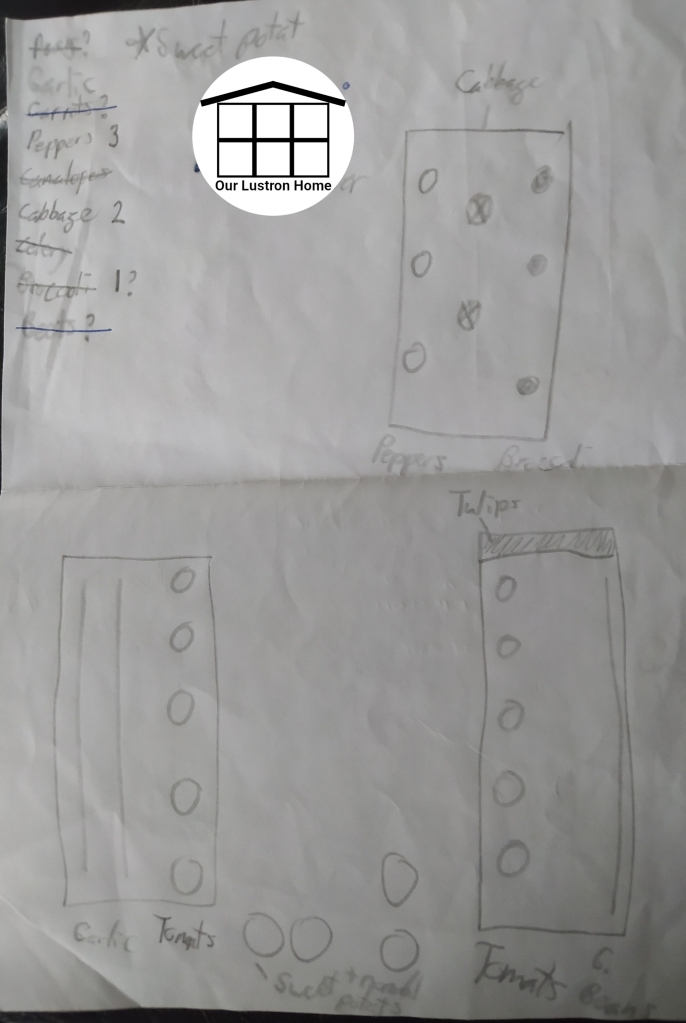
I’ve been planning my 2021 garden since fall and have altered the plans several times. It’s important to keep a record of your plans, and I so far have 5 sketches for my 2021 garden dating back to September. This year will be my second year with a garden, and I’m planning for a 3 season garden. This means I have plans for all seasons, Spring, Summer, and Fall, and plans on what goes well together and what will go in once one stops producing. With this planning also comes many decisions. I have decided to start everything from seeds except what doesn’t use seed. I have also decided to use two new small raised beds and to use two more fabric pots than last year, however since I flipped the beds this fall, I only have one of the five bags I need filled. I’ll also be figuring out how to fill them early this spring. The soil is very compact here and not very fertile. We do have a compost bin, but it is much too small to be a hot pile, so though there is some dirt at the bottom, it will take a very very long time before I’ll get any significant compost from it.

Advertisements

The Plans

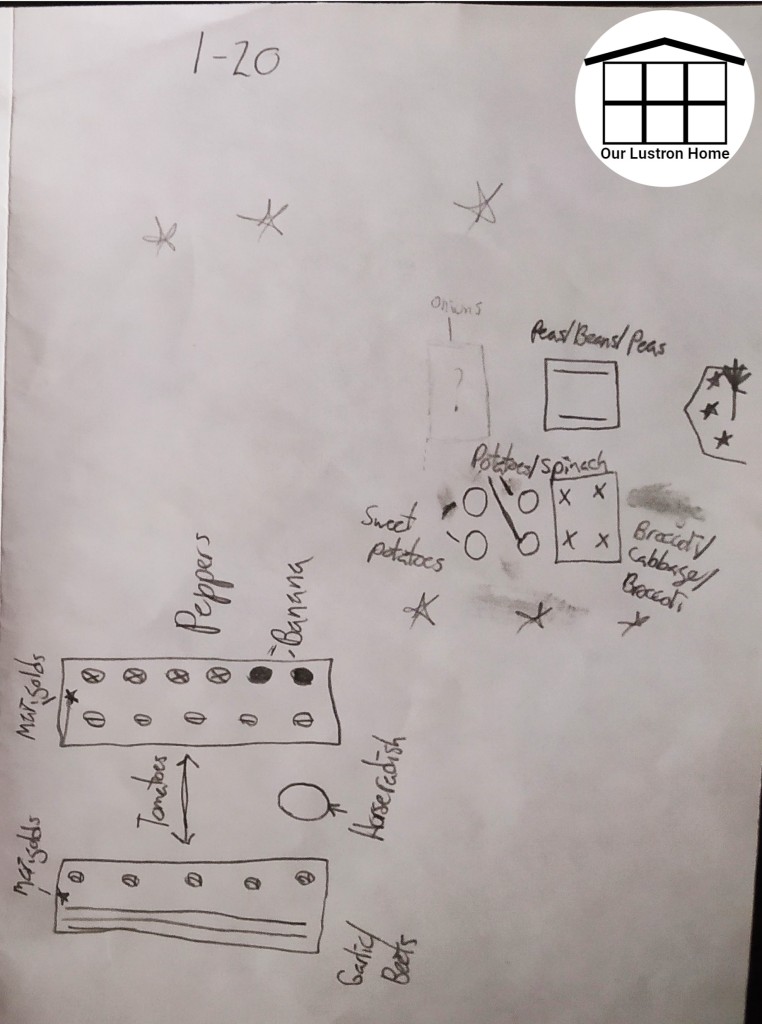
As I mentioned these plans have changed and evolved over time. The first things I did when planning my garden were to make a list of all the vegetables we eat a lot of and we feel would be a fun challenge for the next year. I also sketched out a layout for the garden. Then I began to place the plants I really wanted into the sketch accounting for plant spacing. Then, when you get to your last few plants you have to make the decision of what you want to plant this year. Take into account, how much you currently have stored, how often you eat it, and if you will have the means to store certain vegetables over an extended period of time.

Advertisements

Once your vegetables are picked, you can tweak your plans over the span of a few weeks. However, when you finally are set on what you plan to grow, be sure to order seeds! Seeds are in a higher demand than normal and it could take a while to get seeds or for them to come back in stock. Beyond that, it will just be deciding when you can plant things, and what can be planted once one plant is ready to be pulled. For example, I already have my garlic in the ground and it came up before the hard freeze came, so I know that will be planted until late July when it will be time to harvest. After that, I will plant beets. I denoted that by a “/” on my sketch. I have several other plants I will be doing that with, I plant to plant Peas, once it gets warm, pull the peas and plant green beans, then come August/September, I’ll be able to plant a second planting of peas. I’ll be doing the same thing with my second new bed, but with two plantings of broccoli and one planting of cabbage. I also Plant to plant potatoes once the ground is warm, and once they are harvested, I will be planting Spinach in the fall. I am in zone 6A, so my timeline will likely be different than yours, however I hope you were able to get some helpful information.

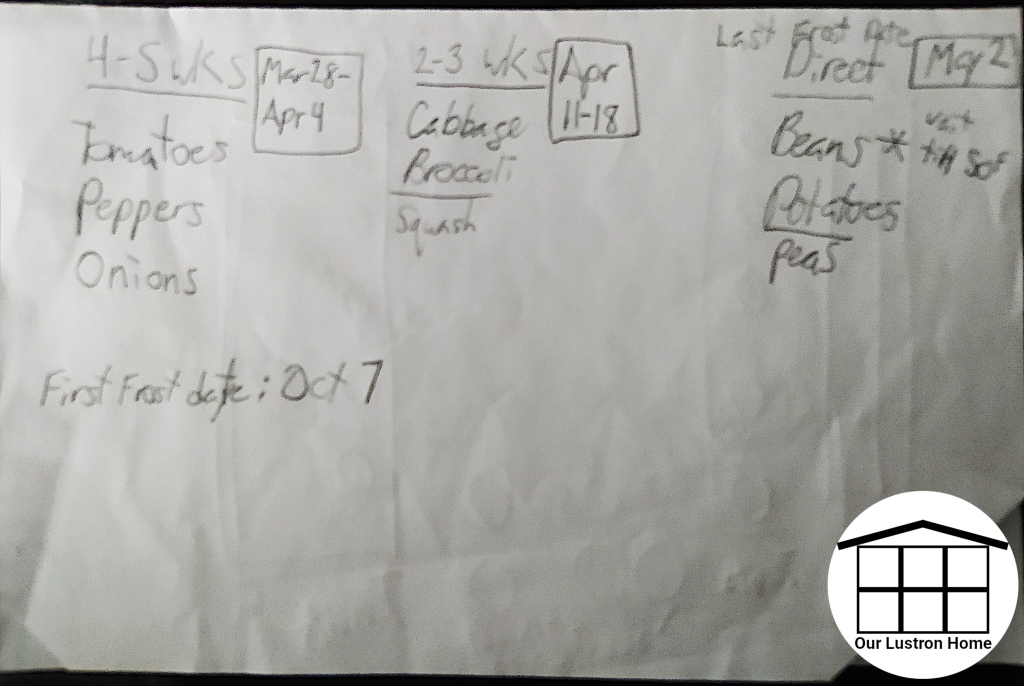
Some possible questions you may have, I’ll try and answer before hand, but feel free to ask any questions you might have down in the comments. I’ll just hop into it. The circles not within a rectangle/square are my fabric pots. I plan to plant one with horseradish, two with sweet potatoes, and two with potatoes and spinach. The rectangles on the left side of the page are 4ft x 8ft beds that are 12 inches deep. These are the beds I started with last year. The square beds on the right of the page will be 4 ft x 4 ft beds, though they have not been constructed yet. There is also a possibility for another 4 ft x 8 ft bed for onions, but that will only happen if the cost of lumber comes down significantly before May. Most people in my area have a consensus not to plant anything in the ground before Memorial Day, however, plants like peas and broccoli are very cold hardy, so their spring planting will probably go into the ground beginning to mid-May. The picture above of dates and veggies underneath will be the days I will have to start my plants inside. For them, I will probably be starting them at the end of the time frame, just so they don’t get too big, if I do have to wait until mid- or late May before planting. What else… I will be planting two rows of tomatoes, and I’ll be doing one variety per row. I will also be planting both banana peppers and bell peppers in my pepper row. I have tons on Marigold seeds, so I’ll be starting them in every flower bed around my house, and I also learned to get them in the ground super early, or they won’t sprout. I learned the same with dill last year.

That’s all I can think to clarify. If you have any questions or comments, feel free to comment below! Thanks for reading!

Advertisements

Slow-Cooker Bean Pasta

Advertisements

This bean pasta is just a slow cooker goulash with extra protein with black beans. This dish can easily be made vegetarian by omitting beef and beef broth, cooking the onion in the slow cooker. If you want, you can also cook the pasta separately, and rinse with cold water before adding it to the slow-cooker. Doing this will give you more control over how the noodles cook, and will prevent the noodles from taking on the flavor of the sauce. Finally, use whatever spices you like. I used the ones listed below, but you can add as much or as little of any spices you like. This recipe makes 8 adult sized servings.

Advertisements

What You Will Need

  • 1 lb Ground Beef
  • 1 Medium Diced Onion
  • 1 Can Stewed Tomatoes
  • 1 Can Black Beans
  • 2 Tbsp Minced Garlic
  • 1 Can Tomato Sauce, 8 Oz
  • 1 Can Tomato Paste, 6 Oz
  • 2 Cup Beef Broth
  • 1 Tbsp of each: Oregano, Parsley, Basil, Marjoram, Red Pepper Flakes, and Italian Seasoning
  • 12 Oz Macaroni
  • Large Frying Pan
  • Slow-Cooker

Directions

1. Heat a frying pan over medium heat. Add Ground beef and onion, and cook until all beef is brown. Transfer to slow-cooker. Add stewed tomatoes, beans, garlic, tomato sauce, tomato paste, and beef broth. Cook for 4-6 hours on high, or 6-8 hours on low.

2. Add remaining ingredients. Cook pasta for 20-25 minutes, stirring every 5 minutes until done. Plate and serve.

Advertisements

Ham Hock Baked Beans

Advertisements

I made these baked beans with a smoked ham hock. Though this recipe seems easy, the flavor is absolutely fantastic. After about 5 hours cooking on high, you can remove the meat from the ham hock. This meat is tender and full of flavor. It comes apart like pulled pork, and after cooking for so long, the fats of the meat make a delicious baked beans. Ham hocks also have some skin on them, and after cooking for so long, the skin and fat melt away in your mouth. I made these beans as the recipe below is written. I will say, I had a very big ham hock, but my beans were almost more pulled pork than baked beans. Finally, the sauce was delicious, with a good balance between sweet and savory. It’s a really good barbecue recipe, that’s for sure! This recipe made 8 large side servings.

What You Will Need

  • 12 Oz Northern Beans
  • 1/2 cup Brown sugar
  • 2 Tbsp Maple Syrup
  • 1/2 cup Ketchup
  • 2 Cups Water
  • 1 Tbsp Ground Mustard
  • 2 Tbsp Worcestershire sauce
  • 1/2 Tbsp Black pepper
  • 1 ham hock
  • Medium seal-able Container
  • Slow Cooker

Directions

1. Place your beans in your seal-able container, and cover with an inch of water. Let sit out at room temperature for 12-24 hours. Strain and rinse your soaked beans. To your slow cooker, add your beans and the rest of your ingredients and stir together.

2. Let it cook on high for 6 hours stirring about every hour. If too much liquid boils off, add water 1/2 cup at a time. After 6 hours on high, reduce your heat to low. Cook for another hour on low before serving.

Advertisements

Website Powered by WordPress.com.

Up ↑

Design a site like this with WordPress.com
Get started