Potatoes, Cabbage, and Onion Sauteed in Pork Drippings

Advertisements

Side dishes are made to compliment and contrast the main dish. This dish I made to compliment the Pork Chops I posted about yesterday. This recipe I started right after I removed the pork chops and placed them in the oven. The cabbage and potatoes take the longest to cook, so you will want to get them on the heat as quickly as possible. Otherwise, just follow the steps below. You can also delay putting the pork into the oven until you have this dish cooking for about 10 minutes. This side goes perfectly with pork chops, ham, or chicken. The potato won’t cook through completely this way, so it has a bit of structure to it still, the cabbage is soft, but still crunchy in the veins. The onion is perfectly sweet with no additional color, and it is all tied together with a savory and salty oil. You will want to salt and pepper to taste, and if you desire, you can also add other herbs you may have used on your protein. The recipe as written makes 5-7 adult sized side portions.

What You Will Need

  • 1 Large Sided Frying Pan
  • Pork Drippings
  • 1 Medium Onion, Rough chopped
  • 1 1/2 Cup Cabbage, Rough chopped
  • 5 Medium Potatoes, Cleaned and Large Diced
  • 2 Tbsp Butter
  • 1/3 Cup Oil
  • 2 Cups Water
  • Thongs and Wooden Spoon

Directions

  1. Heat your frying pan over medium high heat until hot. Once hot, add pork drippings, oil, potatoes, and cabbage. Cook for 5 minutes, stirring constantly, until everything is coated and cabbage has begun to change color. Add water and onion. Cook for 15 minutes stirring occasionally.

2. Most liquid should have evaporated. Stir constantly to keep from sticking. Add butter and continue to cook until potatoes are fork tender, another 3-5 minutes. Remove from heat, plate and serve.

Advertisements

Garden Amending and Planting Garlic

Advertisements

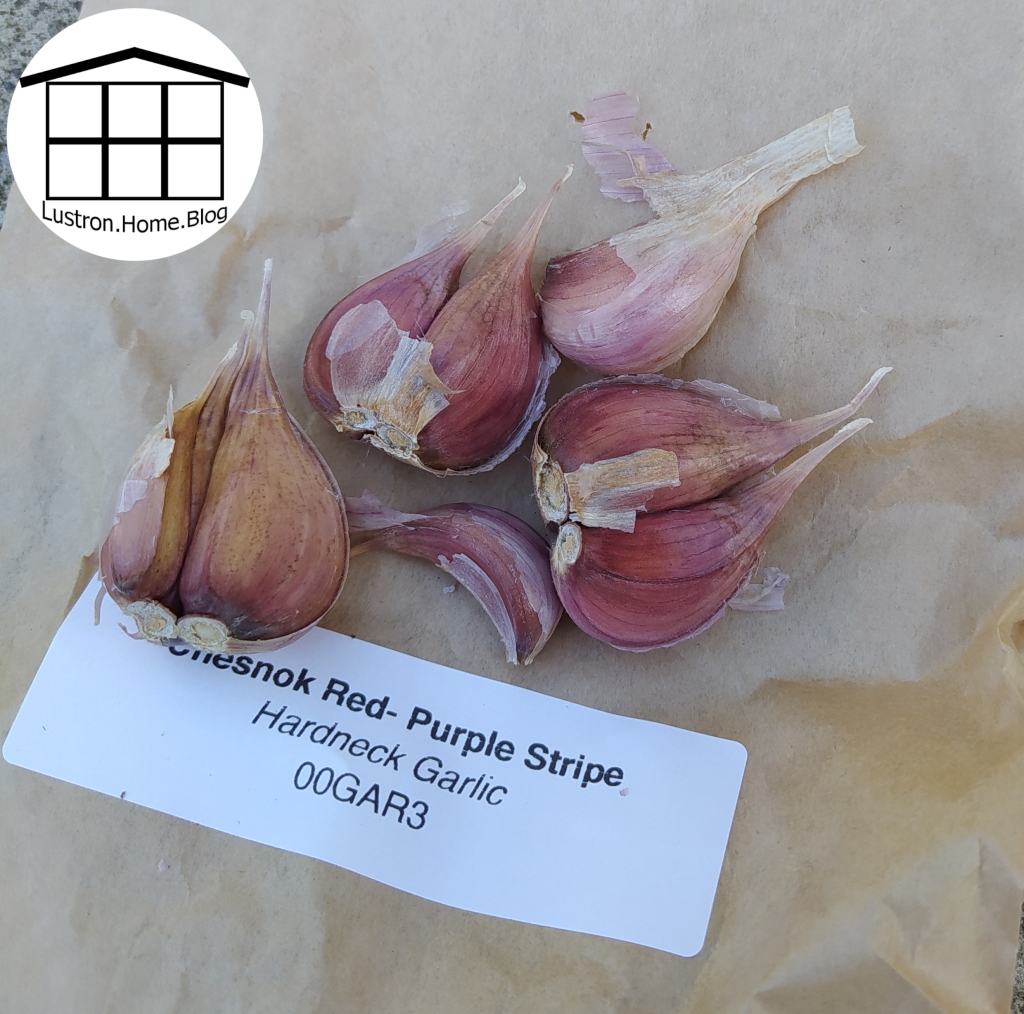
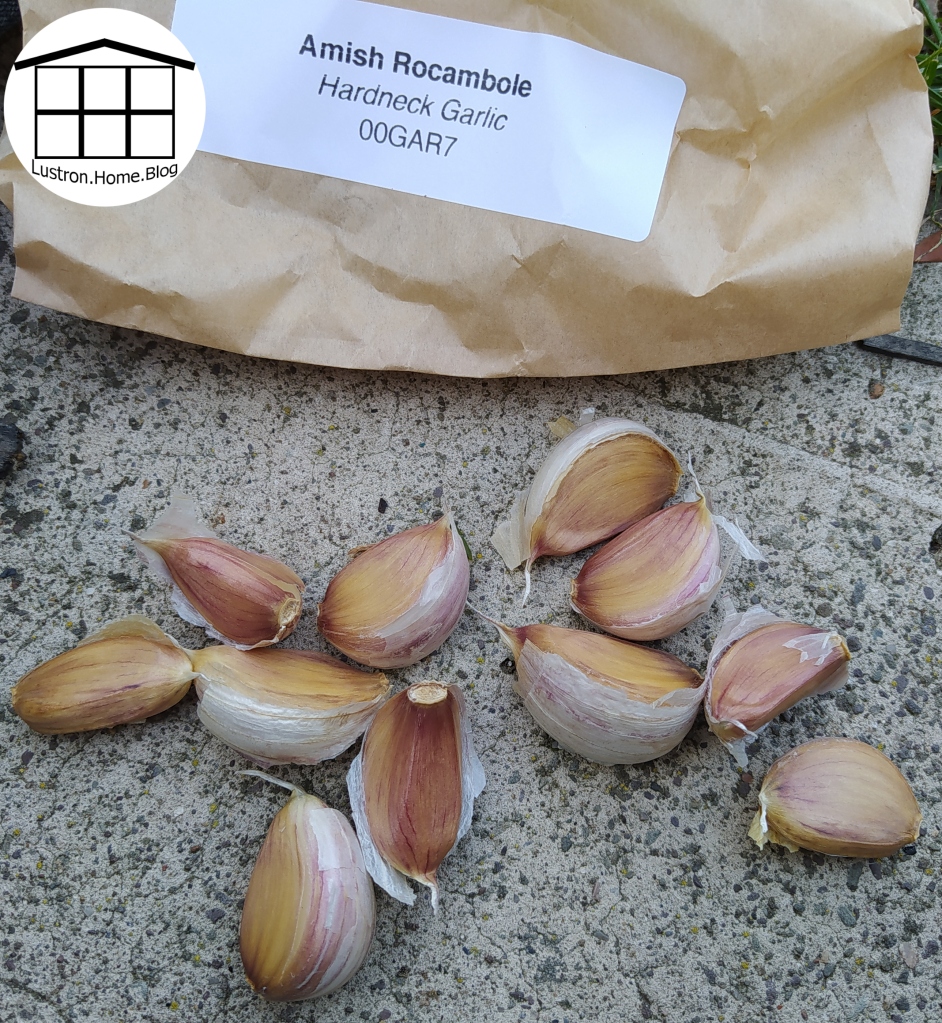
If you follow me on Facebook, you may have seen the post I added yesterday about planting garlic. This is the first year I am seriously trying to grow garlic, and so I’ve done a lot of research and I’m very excited to see what I can get. But, isn’t this garlic gorgeous! I bought these three varieties, all three are organic, disease free, and heirloom varieties. These varieties cam from MIGardener.com. They are not a sponsor, and many varieties are sold out or selling out fast. With that out of the way, before I could plant my garlic, I first had to pull my remaining plants from my raised beds and fabric bags. With this, I was able to save several Parris Island lettuce seeds. I will include those steps at the bottom of this post. I then amended my raised beds, then I planted my garlic.

My first frost day is only 2 weeks away when I planted the garlic yesterday. It is recommended planting garlic at least 3 weeks before first frost, but we just got over a cold snap yesterday where we had 4 nights of frost. The weather is calling for warm temperatures for the next week, so I’m taking a gamble that we won’t be getting another frost for a couple more weeks.

To amend my beds, I first pulled all my plants, but my marigolds. It was just a personal choice to keep them. I think they are beautiful and have a lot of life left in them, so it didn’t feel right pulling them yet, so I just worked around them. To make up for this, I will add some fertilizer in their place next spring to add more nutrients in those spots. Once I pulled the plants, I then pulled down all my netting. This made it easier to move the soil around. Our beds are 8 ft by 4 ft and pressure treated. We added in one fabric bag to one bed and two fabric bags to the other bed. We then split a bag of peat moss between the two beds. We also added 2 bags of aged cow manure into each bed and mixed it all into the top 4 inches of each bed. The reason we added the fabric bags was because the dirt in them had a lot of clay and dried out very quickly. We added 2 bags to one bed because the soil in that second bed was very poor, so we wanted more organic matter in the bed, so we added more dirt. You could also add potting soil if you needed to fill your beds more, but potting soil is expensive, so if top soil were an option, it would be better. I aim for a ratio of 1/3 peat moss, 1/3 compost/manure, and 1/3 top soil for a healthy and balanced soil.

  • Plant garlic rows 6 inches apart
  • Plant garlic cloves 6 inches apart in a row
  • Place garlic cloves 2-3 inches under ground
  • Cover garlic with 4-6 inches of hay or mulch before your first frost
  • Plant garlic at least 3 weeks before your first frost to allow time for root development before they go into dormancy
  • Place chicken wire/hardware cloth over your beds to prevent animals from digging
  • Uncover garlic once risk of frost has passed
  • Water garlic often in the fall and spring and fertilize often in the spring and summer; garlic is a heavy feeder
  • Garlic is ready once the outer 1-2 leafs are dead and dry, any more than that and the garlic won’t dry and will just rot instead

Parris Island lettuce makes yellow flowers, that once fertilized become white fluffs with seeds attached. To get the seed, simply remove the heads that have already gone to seed, remove the stem, then remove the fluff from the seed. You only need a few flowers to get lots of seeds.

Advertisements

Turkey and Dumpling Soup

Advertisements

A cold front moved through the area this weekend, and boy was it cold. Causing our first frost to come 2 weeks early, we needed something to warm us up from all the things we were doing before winter. This recipe is a twist on the American classic Chicken and Dumplings. You can make this dish with chicken, and the recipe below allows you to do that, but I used turkey and turkey stock. Last thanksgiving, I saved all my leftover meat and froze it. I also made stock from the bones to have stock for this year. I used frozen and canned vegetables, and I made everything else according to the recipe below. This recipe was very good, and I will make this dish again in the future. Dumplings are surprisingly easy to make. This recipe makes 5-6 adult sized servings.

What You Will Need

Soup
  • 4 Cups Turkey/Chicken Broth/Stock
  • 2 Cups Turkey/Chicken, Cooked and Shredded
  • 2 Tbsp Butter
  • 2 Tbsp Flour
  • 1 Cup Diced Onion
  • 1 Cup Sliced Carrots
  • 1/2 Cups Green Beans
  • 1/2 Cup Sliced Peppers
  • 1-2 Cans Mixed Vegetables, Strained
  • 1/2 Tbsp Dried Thyme
  • 1/2 Tbsp Ground Sage
  • 1 tsp Garlic Powder
  • Large Dutch Oven/Stock Pot and Lid
  • Label
Dumplings
  • 1 Cups Flour
  • 2 tsp Baking Powder
  • 1 tsp Sugar
  • Pinch of Salt
  • 1 Tbsp Cold Butter
  • 1/2 Cup Milk
  • Bowl and Mixer

Directions

  1. Heat your dutch oven/stock pot over medium high heat. Add your butter and flour. Stir constantly until mixture turns golden.
  2. Add your vegetables and 1/4 cup stock, then cook for 5 minutes. Add your remaining stock and spices, then bring to a boil and stir occasionally.
  3. While Soup is heating, Mix together dry dumpling ingredients into a bowl. Cut in butter until mixture is crumbly, then add milk. Mix.
  4. Add shredded meat to your soup and return to a boil. Once boiling, add batter a spoonful at a time to boiling soup. Once all batter balls are added, sprinkle with thyme, then cover and boil for 15 minutes.
  5. Remove from heat, and let cool 15 minutes before eating.

August 2020 Garden Update

August was an eventful month in the garden. In the beginning of the month, I pulled a tomato plant because of fungus. On the 27th, I pulled my cucumbers from the fabric pots. They began forming very misshapen fruits, and the leaves were dying off rather fast. I also planted radish seeds that day in the two open fabric pots and in the free rows of the raised beds. They already have decent sized sprouts, and the rainy weather helps too. I noticed several of my tomatoes had blossom end rot, but I added some crushed egg shells and with lots of rain in the forecast, it had only happened to 3 tomatoes. Finally, I also ordered garlic to be planted beginning to mid-October. I tried to grow garlic last winter, but I really had no idea what I was doing, so they didn’t make it through the freeze. Finally, I’ve also begun trying to root a pineapple top. And, I found a volunteer pumpkin vine by the house.

I’ve also been thinking extensively about the garden for next Spring, Summer, and Fall. Josh and I plan to build 2 more 8X3 or 4 beds. We plan on placing them by our baby peach tree and we plan to place lower maintenance plants there, though I check on my garden at least once a day. Beans grew really well for us this year, so we plan to grow more green beans. We bought heirloom garlic from MI Gardener, so we plan to grow 3 varieties. We didn’t have much luck at all with tomatoes this summer, so though I’ll be more careful next year to water more often and soak them, I plan to up our quantity to 10 tomato plants with 2 heirloom varieties. I’d like to grow bell and banana peppers next year, potatoes and sweet potatoes, cabbage, broccoli, and more onions, but this time from seed. And, once garlic in harvested in July, we’ll wait about a month or so, and plant some peas. We are ambitious, but this summer has been such a blessing to us that we’d love to have even more fresh veggies next year! We would plant zucchini, yellow squash, or eggplant, but my in-laws always grow lots, so we help absorb some of their excess. Finally, we contemplated more carrots, growing celery, and beets, but we’d like to grow the garden in increments that won’t overwhelm me, and hopefully doubling in size won’t be too much.

This summer we also got quite a bit of seed from our garden. The radish seed pods below is about 1/2 the quantity I got from about 4-5 plants I let go to seed. It took me about 3 hours to break and filter out the seed, and I easily have 100-200 seeds. I also got 3 onion flowers from my sets this year. They formed seeds, but I want at least one other variety, so I will also be buying a packet of seeds. Finally, as I mentioned, my green beans have been doing great. We were harvesting once a week, but just Monday when I was harvesting, I found about 3 pods that were drying. So, I also got 12 new seeds from that, and I will now be harvesting beans twice a week until they slow down. I also am letting my lettuce go to seed, though we’ll see how far they get before I turn my beds.

August 18

August 27

September 1

Plants Outside the Garden

Grilled Zucchini

Zucchini is a plant where you only have to plant a couple, and soon you’ll be up to your nose in fruits! I didn’t grow up with zucchini, and I’m not a big fan of their texture. Because of this, when I get them, I have to come up with creative ways to try and enjoy them. This was of preparing zucchini was pretty good. I enjoyed it and made me think zucchinis aren’t that bad. It you aren’t a big fan of zucchinis, this is a good opportunity to try them with a different flavor and texture!

  1. Wash your zucchini. Place on a cutting board and cut them into quarters as long sticks.
  2. Heat your grill to a temperature of 300 F with the lid closed. Place the zucchini on the grates with an inside face down. Brush with oil, and sprinkle with Italian seasoning.
  3. Grill for 2-3 minutes, then flip to another inside face. Grill for another 2-3 minutes, then flip it to the back, and close lid for 10 minutes.
  4. Remove from grill and place on a serving plate. Serve right away.

Website Powered by WordPress.com.

Up ↑

Design a site like this with WordPress.com
Get started